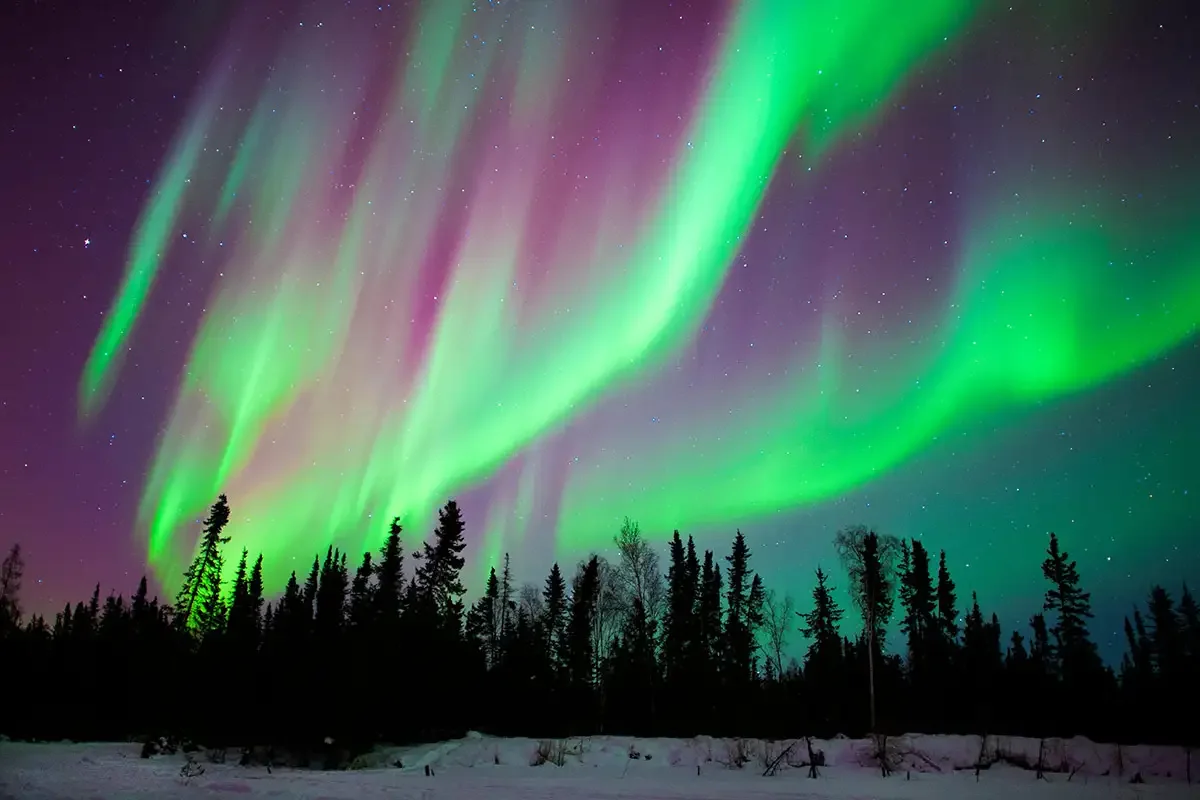
Aurora Borealis • Stories of the Northern Lights
Hey Friends! Did you see the northern lights?!
For the first time ever, I got to witness the miraculous skies of the Northern Lights! Rather than traveling to Alaska or Norway, they were visible right outside my house, just one week ago! I'm super thankful to my dear friend Kelly, a fellow yoga instructor at my studio, for texting me "Get outside right now!" I had no clue they were happening, and could not see anything outside my living room windows that do face north. Much to my surprise, if you look through your phone camera, the hues are much more vivid than to the naked eye! I was able to capture a few photos below! So of course while looking up where the Northern Lights were occurring elsewhere in the world, I came across stories from different cultures about this beautiful celestial event! 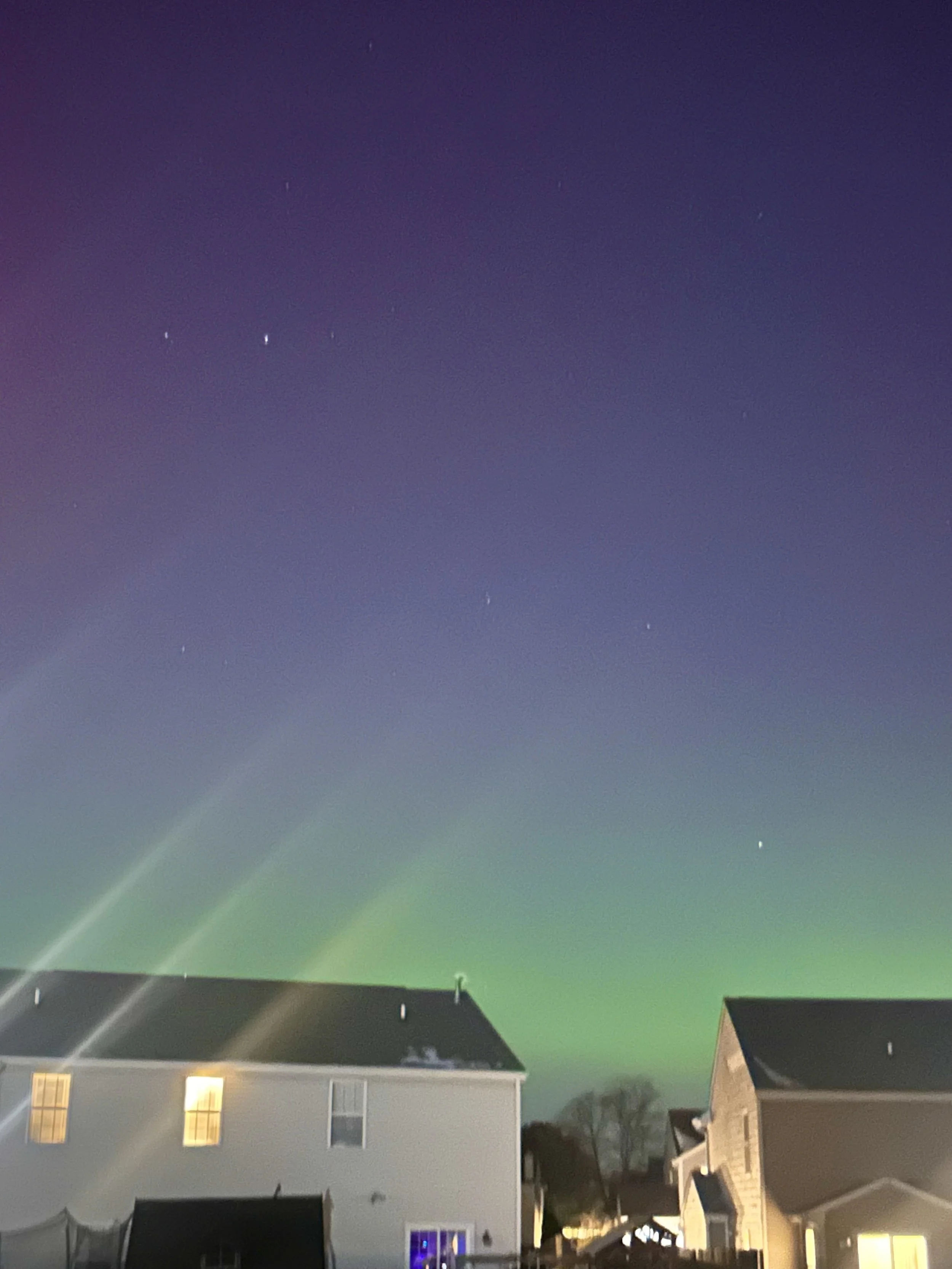
So what are the Northern Lights? Also, known as Aurora Borealis, they are a natural light display in the Earth's sky, predominantly observed in high-latitude regions around the Arctic and Antarctic. The terms northern lights (aurora borealis) and southern lights (aurora australis) are used in the Northern and Southern Hemispheres respectively. Auroras display dynamic patterns of radiant light that appear as curtains, rays, spirals or dynamic flickers covering the entire sky. Auroras occur when charged particles from the sun collide with gases in Earth's upper atmosphere. These ghostly glows are most visible near the magnetic poles. But thanks to increasing solar activity, they're now appearing farther south and more frequently than usual. The bright colors of the northern lights are dictated by the chemical composition of Earth's atmosphere. Every type of atom or molecule, whether it's atomic hydrogen or a molecule like carbon dioxide, absorbs and radiates its own unique set of colors, which is analogous to how every human being has a unique set of fingerprints. Some of the dominant colors seen in aurorae are red, a hue produced by the nitrogen molecules, and green, which is produced by oxygen molecules. The colors we saw in our backyard were green, pink, and purple!


In my Friday yoga class, I brought the beauty of the Aurora Borealis into our flow, connecting the pink, green, and purple hues to our chakras, the root, heart, and crown! We are always connected to our natural world! Even rare celestial phenomena! My friend Kelly sent this shot to me, she's about 5 miles away, it's amazing how she saw more pink!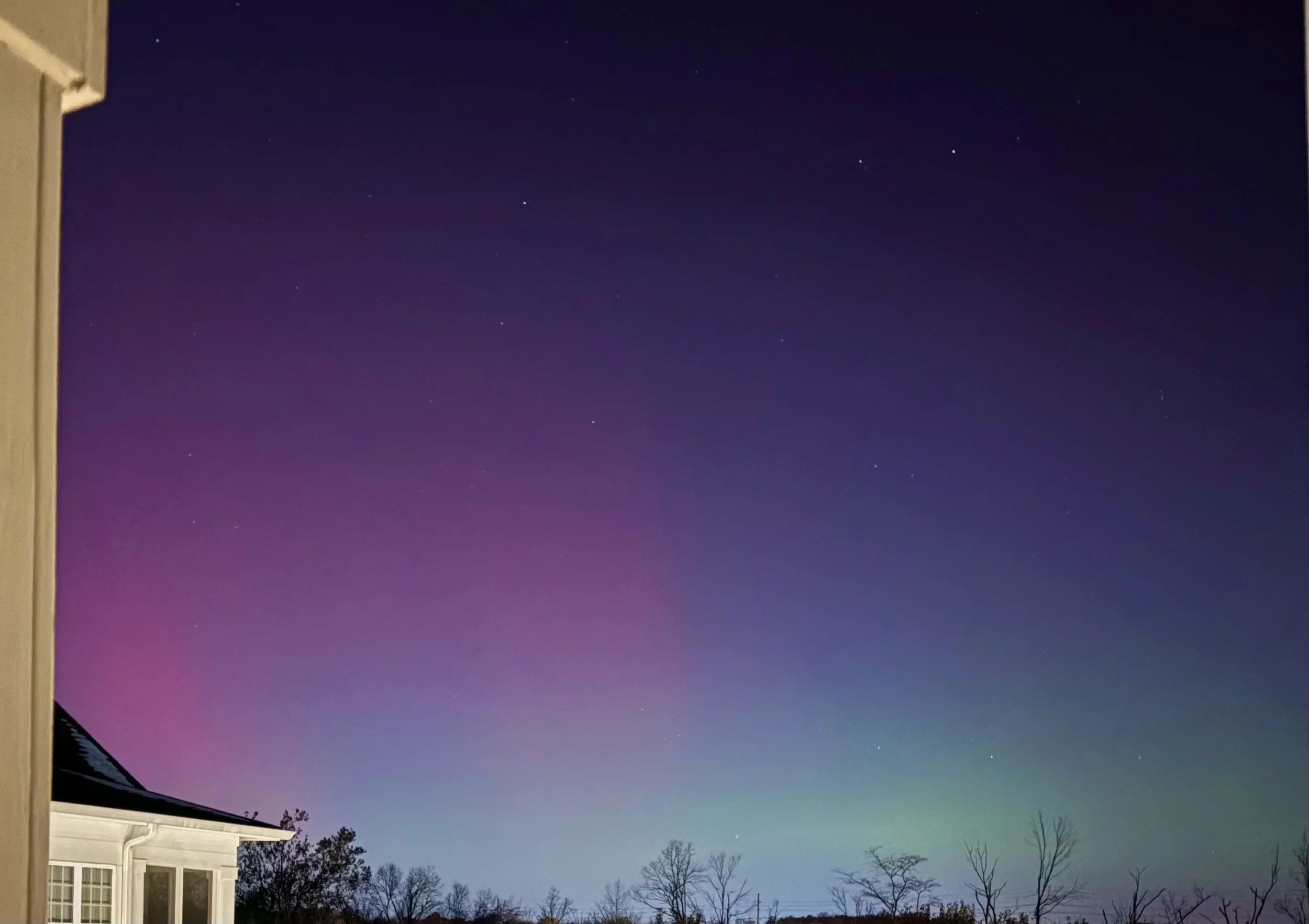
We're currently experiencing solar maximum, the peak of the sun's approximately 11-year cycle of magnetic activity. This means the sun is producing more sunspots, solar flares and coronal mass ejections (CMEs) — massive bursts of solar material that can supercharge auroras on Earth. During this period, the northern lights can appear brighter, more colorful and be visible farther south than usual. The best part? Things don't immediately drop off as soon as solar maximum is over, in fact, the few years after solar maximum are actually the best for aurora hunting. If you're planning an aurora hunting trip now is the time as "the next 4-5 years will be the most favorable for auroral sightings. The best time to see the northern lights is during the darkest months of the year — from September to April. A 75-year study from retired NASA solar physicist David Hathaway shows that March has more geomagnetically active days than any other month of the year (with October a close second), according to Spaceweather.com. On average, Earth sees six days of high geomagnetic activity in March, compared to just three in December. Top destinations include: Tromsø, Norway
Fairbanks, Alaska, Yellowknife, Canada, Abisko, Sweden, and Reykjavík, Iceland. During strong geomagnetic storms, auroras can also dip farther south into the continental U.S., the U.K. and central Europe. The best time to hunt for the northern lights is between 9 p.m. and 3 a.m., as that's when most of the aurora action occurs. I got this shot right above my house, a magical hot pink glow around 10:00 pm!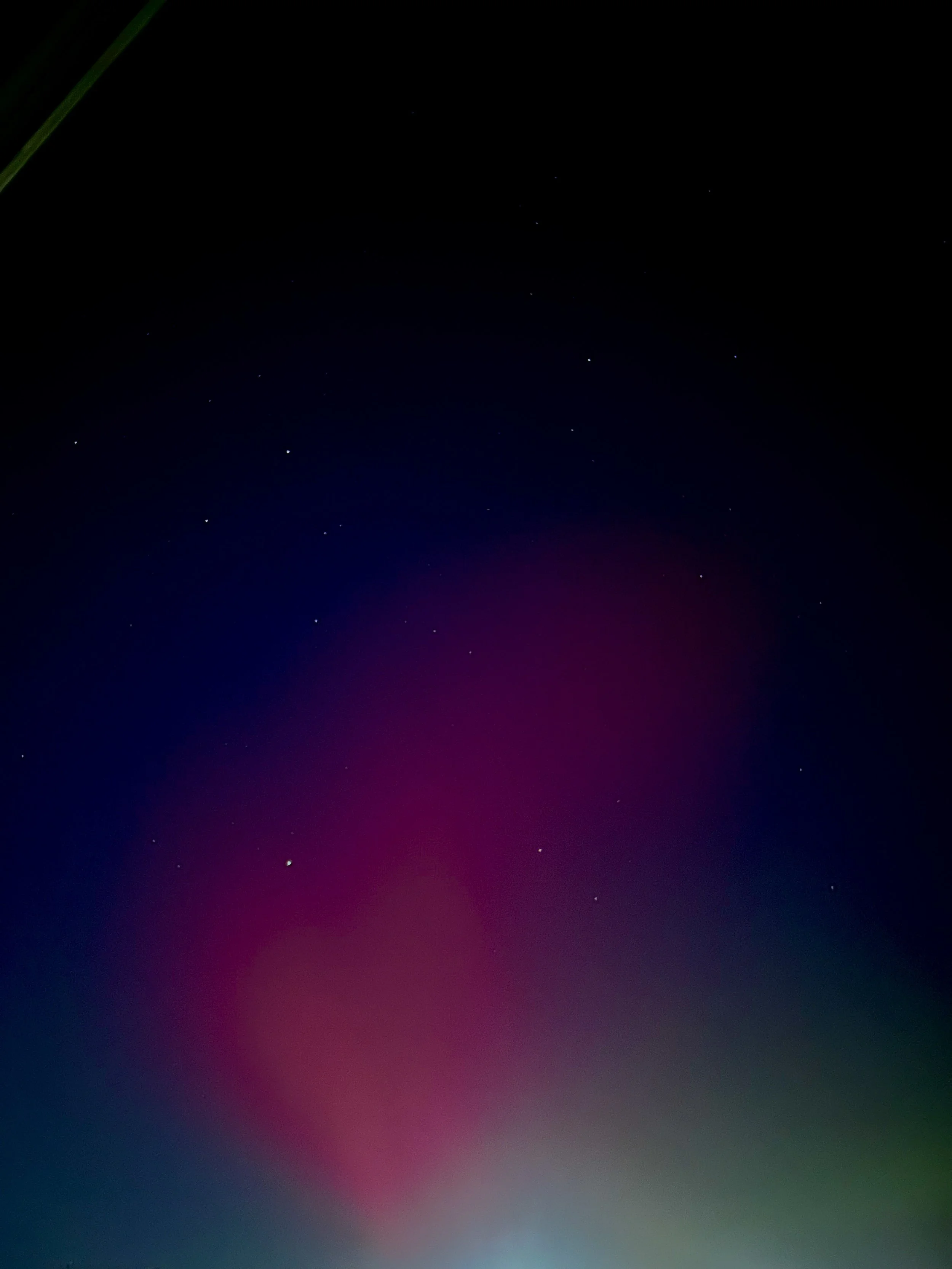
Now that we know the scientific explanation of what aurora borealis are, let's dive into the name origin, and some stories from different cultures around the world! My favorite part!The name Aurora Borealis was coined by Galileo Galilei in 1619 and comes from "Aurora," the Roman goddess of dawn, she is said to ride in her chariot, holding a sword, announcing the coming of the morning sun as she rides through the sky. And "Boreas," the Greek god of the north wind, storms, and winter. Boreas is depicted as being very strong, with a violent temper to match. He was frequently shown as a winged old man or sometimes as a young man with shaggy hair and beard, holding a conch shell and wearing a billowing cloak. Together, Aurora Borealis translates to "northern dawn" and reflects the appearance of the aurora as a dawn-like glow in the northern sky. Galilei coined the term because he believed the phenomenon was the reflection of sunlight from the atmosphere, similar to the way the dawn appears in the sky. Now, lets dive into some stories, myths, and legends from around the world!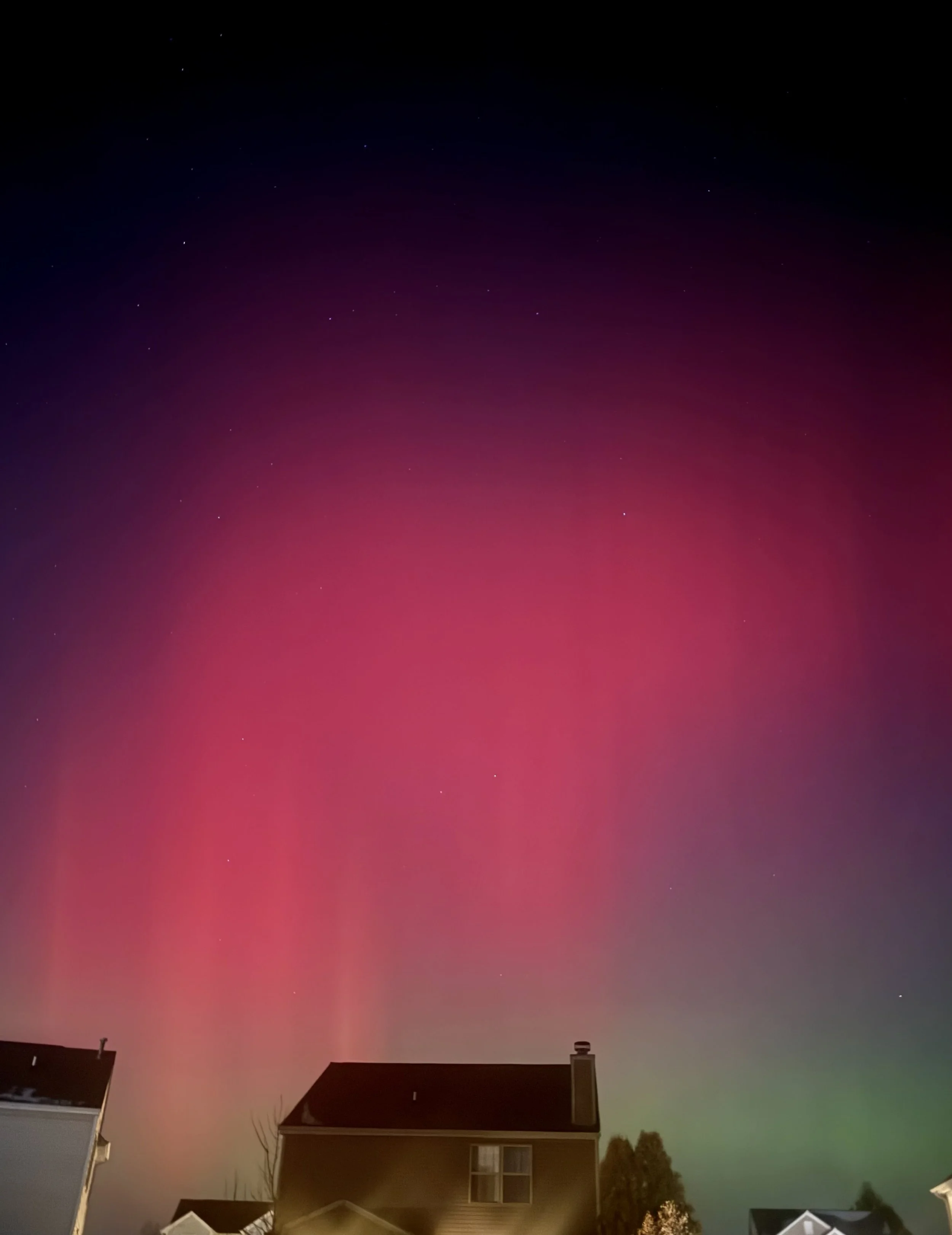
Ancient Greece and the Romans
Aurora Borealis is derived from the Greek words “Aurora” meaning “sunrise” and “Boreas” meaning “wind”. For the ancient Greeks to have seen the lights, there must have been some incredibly strong solar activity because sightings so far south are almost unheard of. The Greeks held that Aurora was the sister of Helios and Seline, the sun and moon respectively, and that she raced across the early morning sky in her multi-coloured chariot to alert her siblings to the dawning of a new day.The Romans also associated the Northern Lights with a new day, believing them to be Aurora, the goddess of dawn.Southern Europe
It’s rare for the Northern Lights to appear over Southern Europe, and such appearances require intense solar activity, which usually results in red Auroras appearing in the night sky. Not surprisingly, on the rare, rare occasions that they do appear, they cause quite a stir and, until fairly recently, were enough to terrify a populace unaware of the Aurora’s origin.The residents of France and Italy, for example, believed the lights to be a bad omen heralding the outbreak of anything from war to plague and death. In Scotland and England, the skies are said to have blazed red just a few weeks prior to the French Revolution and were later considered to have been a sign of the coming strife in their Gallic neighbour state.China, Japan & Australia
Auroral sightings in China are also rare and would have been caused by a significant solar event, so unsurprisingly, the ancient Chinese were in awe of the lights that sporadically illuminated their night sky.It is said that many of the early Chinese legends associated with dragons were a result of the Northern Lights. The belief is that the lights were viewed as a celestial battle between good and evil dragons who breathed fire across the firmament.In Japanese culture, the belief is that a child conceived underneath the Northern Lights will be blessed with good looks, intellect and good fortune. Indeed, there is a fascination with the Aurora in South East Asia, and it is no coincidence that visitor numbers from the likes of Japan, Singapore and Malaysia have increased significantly in recent times.Aboriginal Australians were more used to seeing the Aurora Australis (The Southern Lights) and watched in awe as their gods danced overhead.
North America
Centuries ago, human settlements were far less concentrated, and we lived in far smaller and remote communities with barely any communication with other tribes. As a result, many, many North American tribes or people evolved their own myths surrounding the Aurora Borealis. Here are just a few of the many and varied beliefs held by our ancestors in North America.The Cree Indians held that the Aurora was part of life’s circle and were the spirits of the dead who remained in the sky but apart from their loved ones. The Cree believed that the lights were spirits of these departed friends and relatives trying to communicate with those they had left behind on earth.The Algonquins’ take on the Aurora was that it was created by light from a fire built by Nanahbozho, their creator. They understood the fire to be Nanahbozho’s way of telling his people that he remembered them and was watching over them.Further north, many Inuit tribes considered the Aurora to be the spirits of walrus spirits playing ball with the skull of some unfortunate human.Just to illustrate how different the legends and myths became, disparate North Americans accepted the lights as anything from ravens to spirit guides holding torches aloft to direct the departed to the next world. The lights were deemed to be the spirits of those who had died violently, spirits rejoicing because the sun was absent, spirits of dead animals such as deer and salmon and spirits of revenging enemies killed in combat.The Menominee Indians of Wisconsin believed what they saw were gentle giants fishing at night, and that the lights were created by their torches as they fished.In Washington State, the particularly imaginative Makah Indians thought the lights were fires in the north created by a tribe of dwarves who used them to boil whale blubber. Fire and cookery were also at the forefront of the Mandan people’s thinking in North Dakota. Their explanation was that the lights were again fires over which great warriors boiled their enemies in huge cooking pots.The Great Plains Indians also believed the lights were the reflection of large fires, but not one made by a loving creator. Theirs were the reflections of giant flames under huge cooking pots, lit by northern tribes to cook their enemies.In Wisconsin, the Fox Indians thought the Northern Lights were the restless spirits of their slain enemies attempting to rise again for revenge – and were an omen of pestilence and war. In Alaska, Inuit communities also feared the lights and carried knives to ward themselves against the evil spirits of the aurora.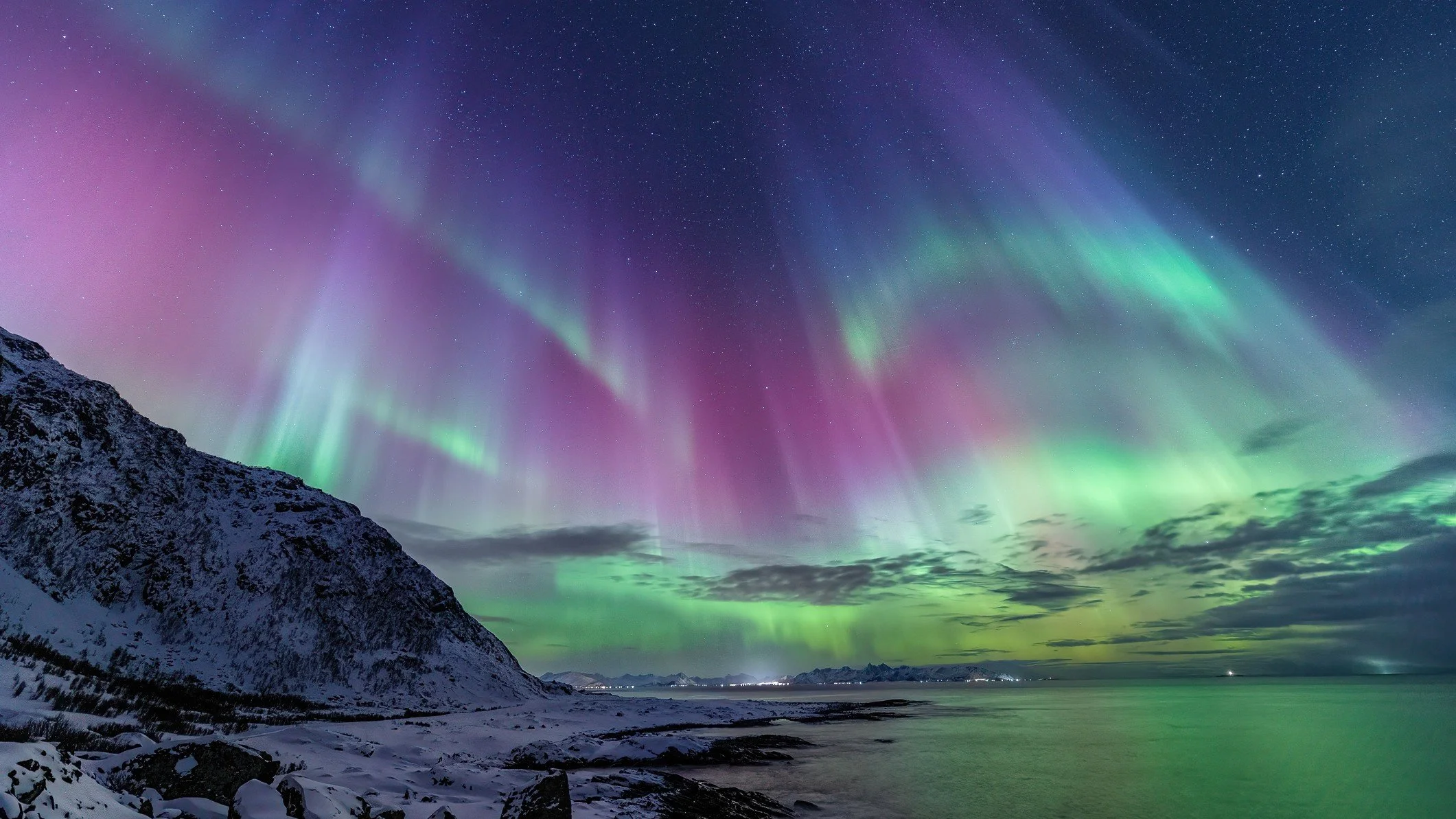
Northern Scandinavia, Iceland and Greenland
Our Icelandic ancestors associated the lights with childbirth and held that they would relieve the pain of delivery as long as the expectant mum didn’t look at the Aurora whilst giving birth (we imagine she had other things on her mind at the time!) because the child would be born cross-eyed!In Greenland, the lights were also linked to giving birth, but rather sadly, they were judged to be the souls of stillborn babies or even babies killed at birth.One of our absolute favourite myths comes from Finland, where it was held that the lights were caused by the firefox who ran so quickly across the snow that his tail caused sparks to fly into the night sky, creating the Aurora. Indeed, the Finnish word for the Northern Lights, “revontulet,” translates literally as “fire fox”. Another belief held by the Sámi people of Finnish Lapland, amongst others, was that the lights were created from the spume of water ejected from whales.It’s perhaps worth mentioning here that one of the Sámi words for the Northern Lights is “guovssahasah” and it’s best not to try to pronounce it after a few drinks!In Sweden, the Aurora was often seen as a portent of good news. Many of our Swedish forefathers believed the lights to be a gift from benevolent gods, providing warmth and light in the form of a volcano in the north. Elsewhere in the country, they were believed to be the light reflection from large shoals of herring, and bode well for the local fishermen, and the Swedish farming community saw the lights as heralding a good harvest in the coming year.The Northern Lights feature prominently in Norse mythology. One legend suggests that the lights were heroes in the sky, such as Odin, the chief god and ruler of Asgard, revered by all Vikings. They believed that during every battle on Earth, Odin would pick the warriors who would die and join him in Valhalla, where he lived. The reflections or glow were from the shields and armor of the Valkyrie, female Viking warriors who would choose who might die in battle and who might live to fight another day. Dying in battle seemed to occupy Norse mythology quite a bit, and the Aurora was also believed to be “Bifrost Bridge”, a glowing and pulsating arch which led those fallen in battle to the warrior’s final resting place in Valhalla.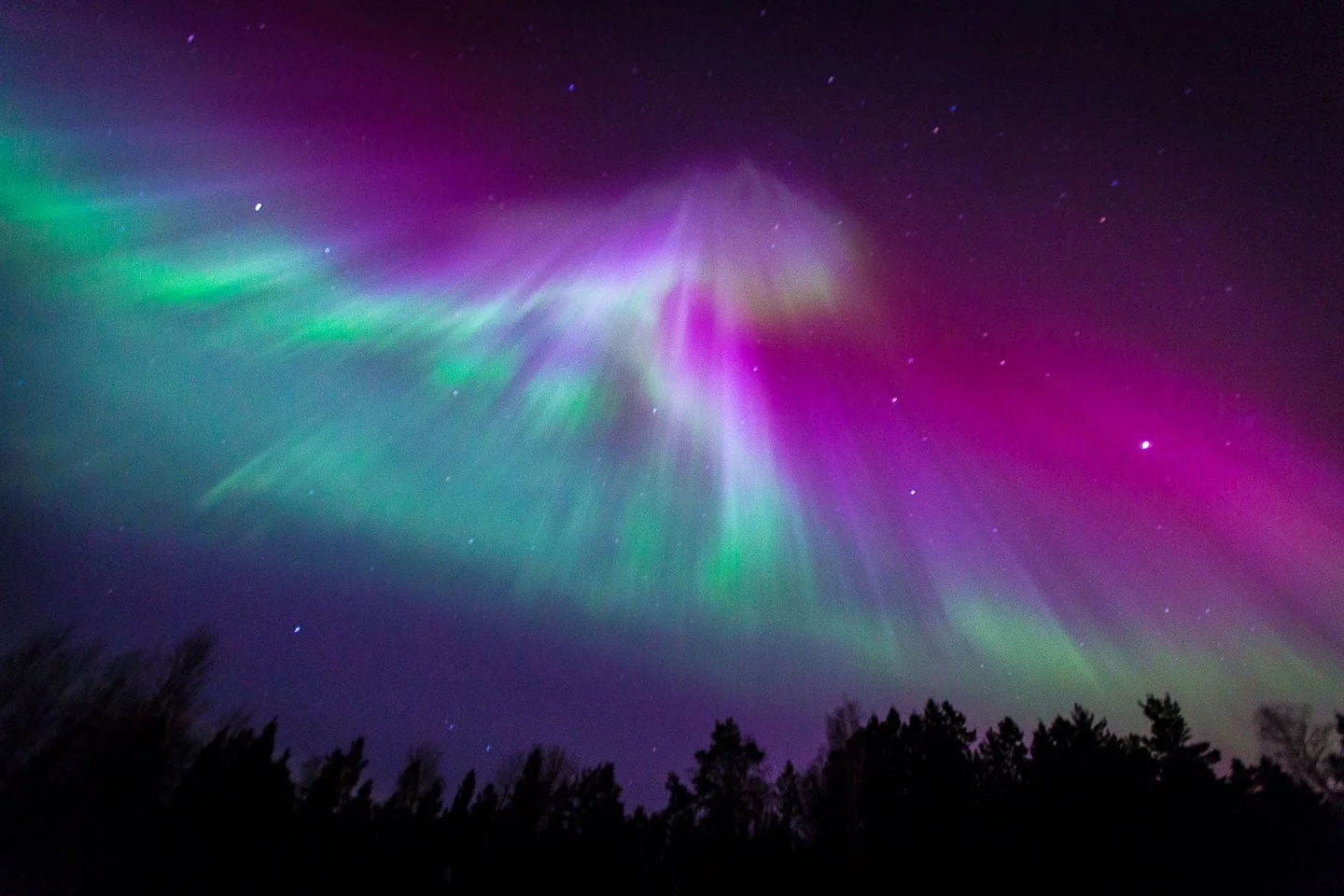
Scotland & Ireland
In Scottish and Irish cultures, the aurora borealis is known as "the Nimble Men" or "Merry Dancers" (Na Fir Chlis), associated with fierce battles in the sky. These celestial warriors are often seen as figures fighting an everlasting battle, with the red hues of the aurora representing blood from their wounds. In some traditions, this blood is said to fall to earth and congeal into "bloodstones" (heliotrope) found in the Hebrides. While the battle imagery is prominent, some accounts suggest the lights also represent spirits, ancestral figures, or even fairies. The Baltic States
We rather like the view taken by our Estonian ancestors regarding the Northern Lights so we kept it until last. The Estonians believed the lights to be magnificent horse-drawn carriages carrying heavenly guests to a spectacular celestial wedding.Now that’s the kind of party we would like to be invited to!
Thank you for reading these incredible stories about the northern lights! I hope you enjoyed them as much as I did!
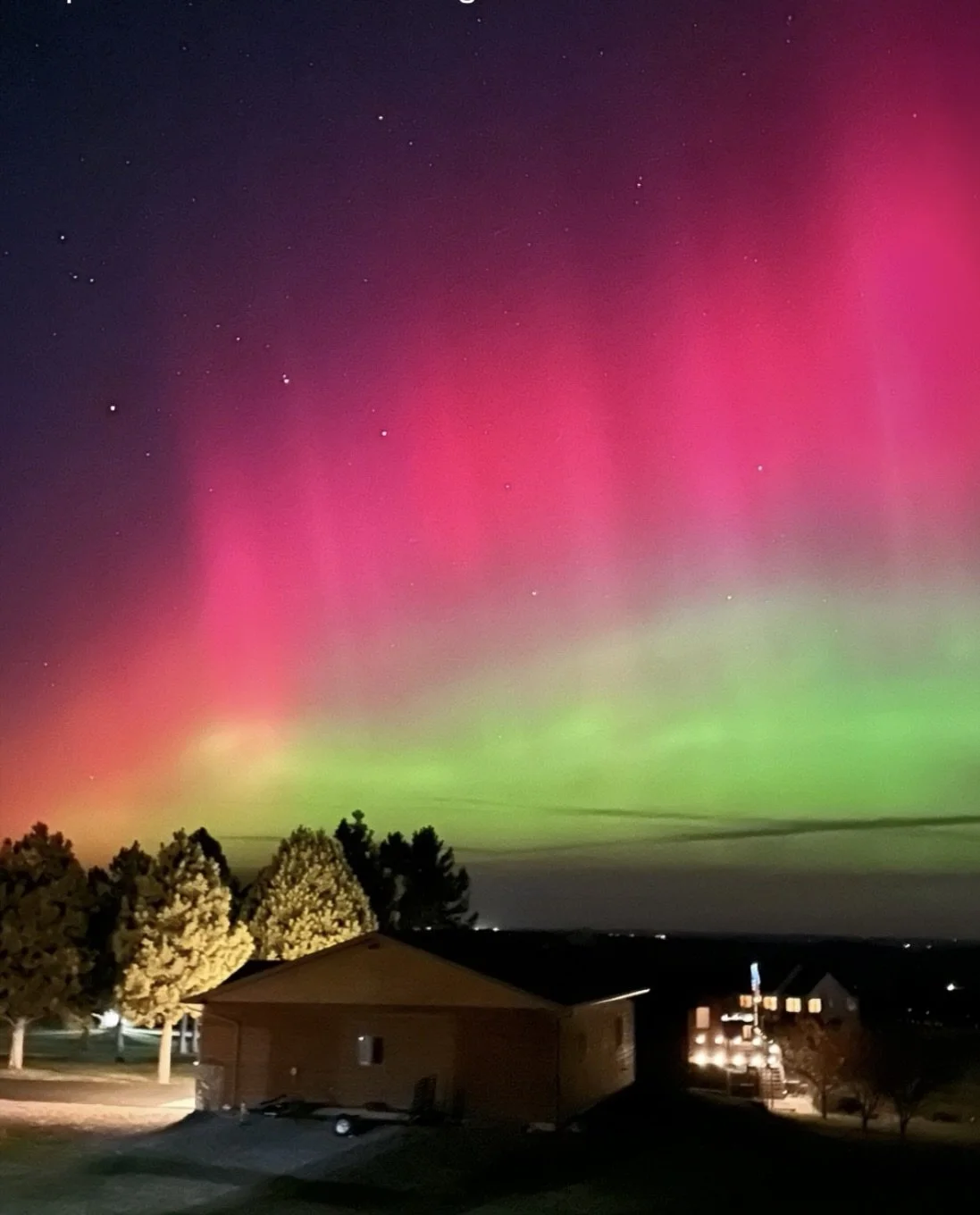
Below is a photograph from a friend in South Dakota, she definitely won for most electrifying colors painting the sky!xoxo, sasha